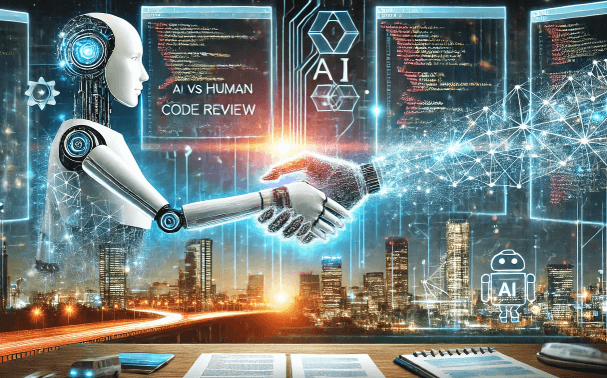
Coding the Future frames a coder as an adaptively skilled practitioner who blends core algorithms with systems thinking. It argues that lasting competence arises from deliberate practice, robust tooling, and continual learning, not isolated genius. Computational thinking becomes the lens for translating problems, modeling data flows, and testing hypotheses. The section also foregrounds ethics and collaboration as practical demands, not afterthoughts. The challenge remains: how do practitioners cultivate durable habits that endure beyond trends?
What Skills Build a Future-Ready Coder
What foundational skills define a coder ready for the evolving tech landscape? A future ready coder demonstrates core fluency in algorithms, systems thinking, and adaptable tooling, balancing theory with practice. Skills cultivation is ongoing, fueled by continuous learning and reflection. Collaboration ethics enable transparent communication, shared responsibility, and trust, underpinning autonomous work and constructive teamwork toward principled, freedom-loving innovation.
How Computational Thinking Powers Innovation
Computational thinking serves as a disciplined lens for innovation, translating complex problems into structured representations that reveal actionable insights. It enables teams to model data flows, test hypotheses, and anticipate outcomes with disciplined curiosity. Through data visualization, stakeholders grasp patterns quickly; cloud scalability supports iterative experimentation. This approach accelerates solution discovery while maintaining clarity, rigor, and a freedom‑driven mindset for lasting impact.
Why Ethics and Collaboration Beat Solo Coding
Ethics and collaboration often outperform solitary coding by anchoring technical decisions in shared responsibilities and diverse perspectives. In practice, ethics in software guides risk awareness, accountability, and user trust, while collaboration norms structure communication, speed, and responsibility diffusion.
A solo coder may innovate, yet teams reduce blind spots, align priorities, and sustain impact, balancing freedom with collective stewardship and durable, responsible outcomes.
How to Grow Adaptability and Lifelong Learning Habits
Adaptability and lifelong learning are essential in a field that evolves rapidly, and practitioners can cultivate them through deliberate, scalable habits. An adaptability mindset emerges from structured experimentation, reflective review, and cross-disciplinary exposure. Mindful pacing prevents burnout while sustaining growth, and measurable milestones track progress. Lifelong learning thrives when curiosity is welcomed, boundaries are transparent, and skills are updated through intentional, recurring practice.
See also: proxyumcom
Frequently Asked Questions
How Can I Measure Progress in Coding Skills Effectively?
Progress can be measured by growth metrics and skill benchmarks. The approach remains clear, analytical, and curious: it tracks code quality, problem-solving speed, and project outcomes, empowering learners seeking freedom to evaluate improvements independently and adjust learning paths accordingly.
What Overlooked Languages Should Beginners Consider Today?
Unusual languages deserve beginner attention, as they reveal alternative paradigms and mental models; nevertheless, practical, beginner friendly ecosystems often determine early momentum. Analysts note these options empower curiosity while balancing practicality, enabling learners to explore unusual languages with confidence.
Which Certifications Truly Boost Employability in Tech?
One surprising statistic shows that 70% of tech hiring managers value certifications alongside degree parity. Certifications ROI varies, but credible programs boost credibility. Two word discussion ideas, certifications ROI, fuel informed decisions for those seeking freedom in tech.
How Do Mentors Accelerate a New Coder’s Trajectory?
Mentors accelerate a new coder’s trajectory through structured mentorship frameworks and paired learning, enabling rapid feedback loops. They cultivate autonomy, curiosity, and problem-solving discipline, while balancing guidance with independence, promoting scalable skill growth and a freedom-focused mindset.
What Everyday Habits Accelerate Long-Term Coding Mastery?
Everyday habits accelerate long-term coding mastery through persistent practice, deliberate repetition, and community accountability, as coincidence nudges focus toward pair programming. The method favors clear, analytical learning, fostering curiosity and freedom while sustaining steady, measurable skill growth.
Conclusion
Future-ready coding hinges on a blend of core fluency, systems thinking, and disciplined experimentation. Computational thinking translates complex problems into actionable models, enabling rapid hypothesis testing and tangible insights. Ethics and collaboration outperform solitary sprinting, fostering durable solutions through diverse perspectives. By cultivating adaptability and lifelong learning habits, coders stay ahead amid evolving tools and challenges. In this landscape, progress comes not from lone genius but from steady, collective effort—like moving mountains one careful, deliberate step at a time.