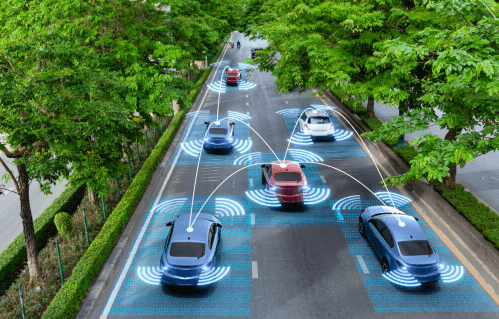
Connected Cars promise a data-driven shift in daily mobility, where real-time sensing and V2X communication optimize routes, energy use, and user experience. Multi-layer architectures and standardized interfaces aim for scalable, privacy-conscious operation across modes. Security and threat modeling are integral to trust, while city planners weigh equity and pricing in to maintain vitality. The outcome hinges on governance, interoperability, and sustained investment, leaving stakeholders pondering how quickly the networked car becomes routine.
How Connected Cars Transform Everyday Commutes
Connected cars are reshaping daily commutes by integrating real-time data, vehicle-to-vehicle communication, and cloud-based services to optimize routing, traffic flow, and energy use.
The approach prioritizes commute efficiency through adaptive itineraries and predictive congestion insights, while preserving driver autonomy.
Passenger experiences become more consistent, with smoother transitions, fewer stoppages, and clearer timing signals guiding personal and shared travel choices.
The Tech Behind the Car-City Network
The car-city network hinges on a multi-layered technology stack that weaves vehicle sensors, edge computing, and cloud platforms into a cohesive data fabric. This architecture emphasizes sensors interoperability, enabling real-time data fusion across diverse makes and models.
Robust firmware governance ensures secure, updatable hardware ecosystems, while standardized interfaces minimize friction between OEMs, fleets, and municipal operators seeking scalable, interoperable mobility services.
Privacy, Security, and Trust in Connected Mobility
Privacy, security, and trust are foundational to the viability of connected mobility, where data exchange between vehicles, infrastructure, and platforms expands operational capabilities but also broadens risk surfaces.
Data sharing drives efficiency, yet demands a robust governance framework, transparent privacy safeguards, and proactive threat modeling to anticipate exploits.
Measured investments in resilience bolster confidence without stifling innovation.
Continuous assessment underpins trusted mobility.
Planning Smart Cities Around Connected Transportation
Smart city planners increasingly frame transportation as an integrated system, where data-driven sequencing of transit, Roads, and urban spaces informs policy and investment decisions.
Planning around connected transportation emphasizes urban zoning to optimize land use, data stewardship to ensure privacy and accuracy, grid resilience to withstand outages, and road pricing as a demand-management tool, balancing mobility, equity, and economic vitality.
See also: Coding the Future: Skills That Matter
Frequently Asked Questions
How Will Connected Cars Impact Insurance Premiums for Drivers?
Insurability models and risk scoring will increasingly tailor premiums, reflecting real-time driving data and behavior. Connected cars enable granular risk assessment, potentially rewarding safe drivers and penalizing high-risk patterns, while regulatory clarity and data privacy shape premium evolution.
Do Connected Cars Require Constant High-Speed Internet Access Everywhere?
Connected cars do not require constant high-speed internet; intermittent access suffices for core functions. Notably, 45% of vehicles transmit data regularly, enabling in-car entertainment and autonomous safety features, while global coverage expands progressively for seamless connectivity and freedom.
What Are the Long-Term Environmental Benefits Beyond Reduced Congestion?
Long-term environmental benefits include air quality improvements and enhanced energy efficiency, driven by optimized routing, electrification, and predictive maintenance; data-driven strategies enable smarter asset use, reducing lifecycle emissions, improving resource resilience, and supporting sustainable growth for the transportation sector.
How Will Legacy Vehicles Interact With the Connected Car Ecosystem?
Ironically, legacy vehicles quietly adapt through retrofit interfaces as data flows, enabling seamless fleet integration and interoperation with connected-car ecosystems, while aging fleets demand standards, not excuses, to reduce friction, optimize utilization, and sustain overall safety performance.
Who Regulates Data Sharing Between Car Manufacturers and Cities?
Regulators vary by jurisdiction, with data governance frameworks and privacy compliance standards guiding cross-sector data sharing between car manufacturers and cities. Authorities, including national privacy commissions and transportation agencies, enforce rules ensuring transparency, auditability, and citizen-rights protection.
Conclusion
From fenestrated fiefdoms to federated futures, connected cars cultivate commuting clarity and collective efficiency. Data-driven deployment delivers decisive diminution in delay, diesel, and dirt, while diagnostics and demos demonstrate diversified device interoperability. City-scale syndicates synergize sensing, security, and service, shaping smarter streets with scalable standards and shared safety. Trustworthy frameworks nurture privacy-by-design and accountable governance, ensuring equitable access. As automation accelerates, agile analytics align infrastructure investments with inclusive growth, propelling progress, prosperity, and pragmatic, pristine mobility for all.